

1st
First Offense
One-year license revocation, up to 90 days in jail, and a fine of up to $500. Mandatory alcohol education, assessment and treatment. Ignition interlock device required, possible vehicle confiscation, and community service.

Sound legal advice is built on years of training, hard work, and passion — together with deep familiarity with New Mexico legislation, precedent, and procedure. You'll find all of that, and more, at Kelly O'Connell Law.
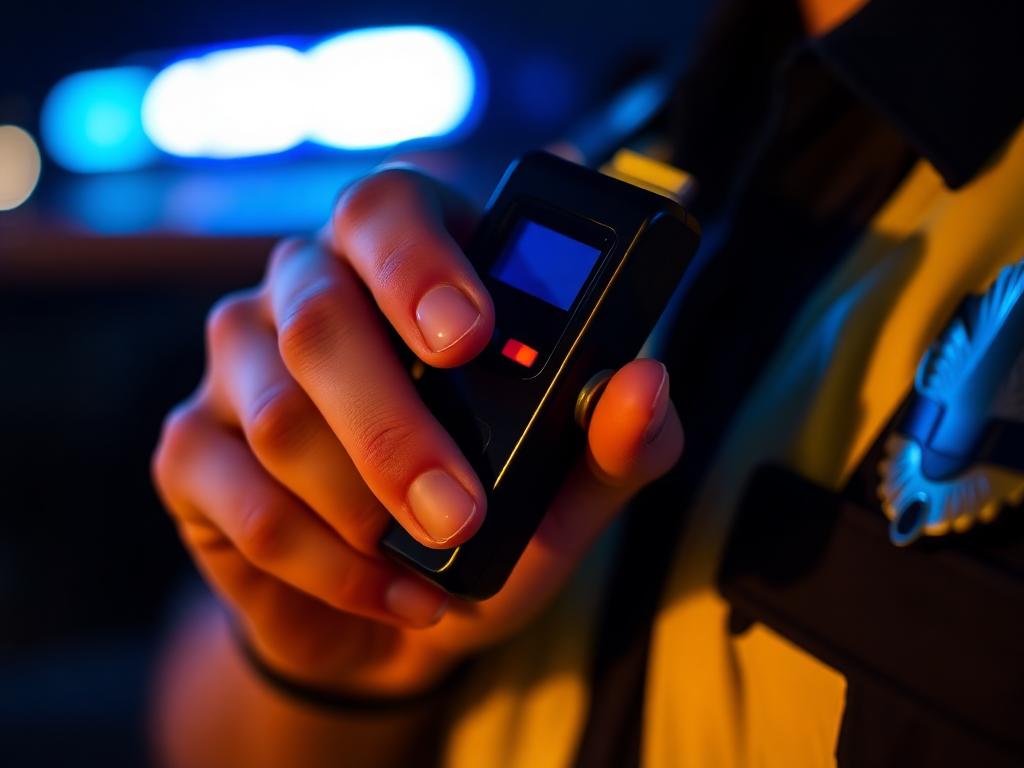
Driving under the influence of intoxicating liquor or drugs is rightly considered "the new felony." In New Mexico, it is illegal for anyone 21 or older to drive with a blood alcohol concentration (BAC) of 0.08% or higher. A BAC of 0.16% or higher is considered aggravated DUI.
Drivers under 21 cannot drive with a BAC of 0.02% or higher, and CDL drivers cannot drive with a BAC of 0.04% or higher. A DUI conviction results in lost driving privileges, an ignition interlock requirement (even on a first offense), and consequences that follow you onto job applications, background checks, and — in serious cases — into a prison term.
A good attorney investigates the entire case: the stop, the field tests, the chemical evidence, and every report the officer filed. Don't wait until a conviction puts a permanent black mark on your history.
Per NM Stat § 66-8-102. Under New Mexico's implied consent law, if you are lawfully arrested by an officer with reasonable suspicion you are under the influence, you've already given consent to a chemical test. Refusing it carries its own automatic license suspension and other penalties — separate from the criminal case.
The standard New Mexico per se DUI limit.
Zero tolerance for any driver under 21.
Triggers enhanced penalties and mandatory jail.
Half the standard limit for commercial licenses.

Long before a criminal verdict, the Motor Vehicle Division begins its own administrative case against your license. For a first offense at age 21 or older, that means a six-month suspension if you fail a chemical test — and a full year if you refuse one.
For underage drivers and CDL holders, even a first offense carries a one-year suspension whether the test was failed or refused. Any second or subsequent civil offense — at any age, on any license — also carries a one-year suspension.
The civil case moves on its own short timeline, with its own deadlines. Missing them costs you the license before you ever see a courtroom.
The criminal exposure escalates quickly with each subsequent offense. Each level adds revocation time, jail time, fines, mandatory alcohol education and treatment, an ignition interlock device, possible vehicle confiscation, and a $65 BAC test fee.
One-year license revocation, up to 90 days in jail, and a fine of up to $500. Mandatory alcohol education, assessment and treatment. Ignition interlock device required, possible vehicle confiscation, and community service.
Two-year license revocation, up to 364 days in jail (with 96 hours mandatory), and fines up to $1,000. Same mandatory treatment, interlock, and possible vehicle confiscation as a first offense — applied longer and harder.

Three-year license revocation, up to 364 days in jail (with 30 days mandatory), fines up to $1,000, and the full slate of treatment, interlock, and confiscation orders. By this point, the State treats you as a repeat offender on every motion.
Lifetime license revocation with a 5-year court review, up to 18 months in jail (with 6 months mandatory), and fines up to $5,000. Mandatory alcohol education, treatment, ignition interlock, and possible vehicle confiscation.
An aggravated DWI charge can come from an accident resulting in injury or death, refusal of a chemical test, or a BAC of 0.16% or higher. Each of those facts, on its own, is enough to change the sentencing math.
On a first aggravated offense, the court adds a mandatory two days of jail. A second adds four mandatory days. A third adds sixty mandatory days — on top of every other penalty already attached to the underlying offense level.
For CDL holders, an aggravated DWI charge results in a one-year disqualification on a first offense. A second results in a lifetime disqualification — which, for most professional drivers, is the end of the career.

The first hours of a DUI case are spent on the report, the dash and body camera, and the calibration records. The reason for the stop has to hold up. The field sobriety tests have to be administered the way the National Highway Traffic Safety Administration trains them. The breath machine has to have been certified, and the operator has to have followed protocol — every step, in order.
Where any of that breaks down, a motion to suppress can take the State's strongest evidence off the table before trial. DUI cases have been dismissed in this office for exactly that reason: the procedure didn't hold, and once the bad evidence was gone, the case was gone with it.
On serious cases, a trained Private Investigator — a former homicide and narcotics officer — works the evidence alongside the legal team. The State puts its own investigators behind every charge. So do we.
Under New Mexico's implied consent law, refusing a chemical test isn't a way out — it carries its own automatic license suspension and can be used against you at trial. The right move after an arrest isn't to argue with the officer. It's to call an attorney as soon as you have a phone in your hand.
A free, confidential case evaluation costs nothing and could change the outcome of your case. Call Kelly directly.